


ITS OKAY NOT TO BE OKAY
ARE YOU OKAY? ITS OKAY NOT TO BE OKAY
It certainly feels difficult to randomly approach someone and confide in them about what is stressing you, to invite a total stranger into your personal space. A little nudge from the right confidante, a simple question that exudes care and concern, “Are You Ok?” can be enough to allow a loved one to come forth with what is weighing them down. It does not necessarily have to be clinical help that curbs mental health issues like stress; a listening ear can nip such a scourge in the bud.
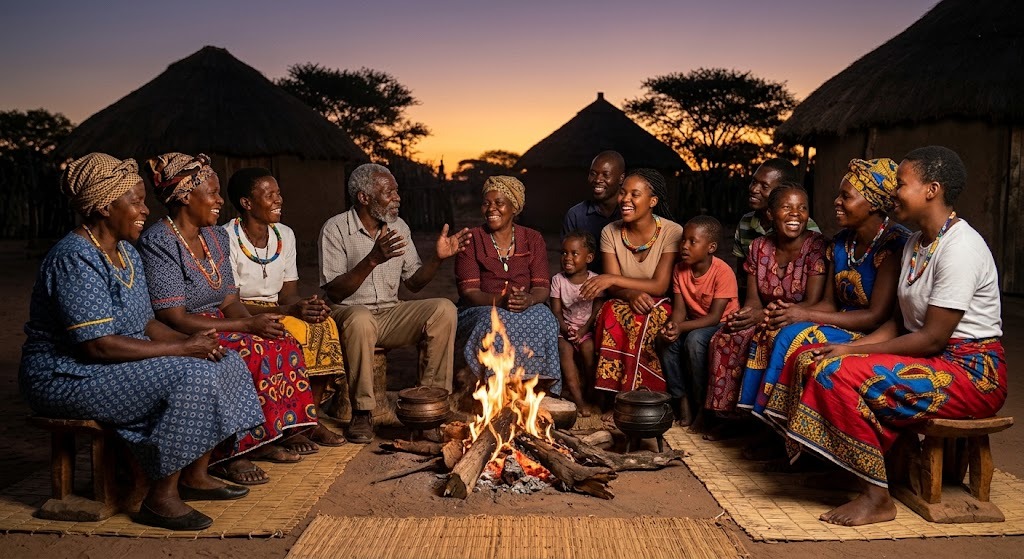
There is a common phrase that there is nothing new under the sun. Simply put, the problems we face today, in particular mental health related ones, have been there since the advent of time. This article seeks to unravel how, conventionally, Zimbabweans from yesteryears coped with mental health challenges that are still common today. The use of peers or trusted elders in society in which one can confide in, the concept of Madzisahwira for example. An appreciation of the contemporary methods shall also be put into view to balance the then and now.
When faced with the weight of anxiety, trauma, or burnout, the common refrain is often to seek formal psychotherapy or clinical intervention. While professional help is invaluable, the reality for many Zimbabweans is that specialized psychiatric and psychological care can be financially out of reach or geographically distant.
Fortunately, healing and mental resilience do not exclusively live in clinical offices. Across Zimbabwe and the broader sub-Saharan region, powerful, accessible, and culturally grounded remedies are available within our families, neighborhoods, and daily routines (Berhe et al., 2024). Here is how we can tap into practical solutions right where we are.
1. Reviving the Power of Talking: Kuhara mwoyo (Unburdening) / Ukukhipa inhliziyo
In many traditional Zimbabwean settings, isolation was considered dangerous to the mind. The Shona concept of kuhara mwoyo (speaking out what is in your heart) or Ukukhipa inhliziyo, the Ndebele equivalent of unburdening is one of the most potent, cost-free remedies available.
- The Safe Circle: Find a trusted friend, an elder, or a family member whom you trust implicitly. Venting bottled-up frustrations, whether about economic stress or marital friction, relieves the chemical load of chronic stress on the brain.
- Community Support Groups: Local grassroots initiatives and peer support circles offer spaces where individuals facing similar struggles (such as grief, single parenting, or trauma) can share experiences without fear of judgment. Across rural and urban communities alike, indigenous support frameworks continue to provide critical psychosocial buffers (Jakarasi, 2024).
2. Leveraging Community-Based Mental Health Pioneers
Zimbabwe is home to one of the world’s most celebrated community mental health models, proving that you do not need an expensive degree to find a listening ear.
- The Friendship Bench (Chigaro Chenyukudo): Pioneered in Harare and now expanding across the country, the Friendship Bench places trained grandmothers (ambuya) on wooden park benches outside local clinics. They offer evidence-based problem-solving therapy (kufungisisa counseling) completely free of charge. If you are feeling overwhelmed by overthinking (kufungisisa), visiting a local clinic with a Friendship Bench is a practical, immediate step. As demonstrated in landmark clinical trials, the Friendship Bench has proven to be a highly effective, task-shifting model for mental healthcare delivery in primary care settings (Chibanda et al., 2016).
- Faith and Spiritual Spaces: For many Zimbabweans, spiritual grounding provides immense comfort. Collaborating with progressive church leaders, pastors, and community faith groups who recognize mental health as a medical-spiritual intersection can offer holistic support—provided that harmful stigmas labeling all mental illness as purely demonic are actively discouraged. Additionally, institutional bodies such as the Zimbabwe National Association for Mental Health (ZIMNAMH) provide essential community awareness, advocacy, and rehabilitation services.
3. Reclaiming the Physical: Natural and Lifestyle Mitigations
When financial resources are tight, returning to basics can help regulate the nervous system.
- Physical Activity and Movement: Walking through your neighborhood, joining local morning aerobics groups, or playing community soccer matches releases endorphins that naturally combat mild depression and anxiety. Physical movement is a direct, accessible way to burn off the adrenaline caused by chronic stress. Furthermore, traditional lifestyle activities and community-integrated wellness practices help ground individuals facing systemic hardships (Moagi et al., 2022).
- Limiting Digital Overload: Given how economic hardships often drive us to consume endless streams of distressing news or social media updates, practicing intentional “digital detoxes,” turning off phones an hour before bed, and engaging in face-to-face family time drastically reduces daily anxiety.
4. Institutional and Hotline Support Within Reach
For those who need to speak to a professional confidentially and without hefty consultation fees, several national organizations and hotlines operate within Zimbabwe:
- Lakusasa Ramangwana (LaRa): As a registered PVO, LaRa connects communities with family support resources and professional networks available on request to offer counselling services. It has a family therapist that is available on request.
- The Zimbabwe National Association for Mental Health (ZIMNAMH): Offers guidance, advocacy, and referral pathways to affordable mental health services.
- Youth and Specific Support Networks: Organizations like Padare/Enkundleni provide dedicated spaces for men to unpack societal pressures and encourage positive health-seeking behavior, while various women’s shelters and legal-aid NGOs (such as the Musasa Project) offer 24-hour toll-free support lines, legal advice, and trauma-informed counseling for survivors of abuse.
Moving Forward Together
Mental wellness in Zimbabwe does not require a luxury budget; it requires intention, community participation, and the courage to break the silence. By utilizing our local networks, leaning on community elders, embracing the Friendship Bench initiative, and checking in on one another daily, we can build a resilient culture where healing is accessible to all.
By The Chairperson Of The Board
Ms S. Chibaya
Leave a Reply